Remain Ahead With New Paint Trends: Mixing Methods for Modern Interiors
The Increase of Shade Gradients in Interior Design
As developers significantly look for ingenious ways to enhance rooms, the surge of color slopes in interior design has gathered considerable interest. This method, defined by the smooth shift between 2 or more colors, allows for a dynamic aesthetic result that can transform a normal room into a lively setting. Shade gradients can stimulate feelings, influence perceptions of area, and develop prime focus, making them a versatile choice for numerous layout styles.
The application of gradients expands past walls; they can be properly used in furniture, textiles, and accessories. Designers frequently experiment with differing tones to achieve depth and intrigue, attracting a variety of aesthetics from minimal to diverse. Furthermore, the versatility of gradients enables their usage in both industrial and domestic settings, catering to varied customers. As patterns progress, the usage of color slopes symbolizes a shift in the direction of more tailored and meaningful indoor spaces, mirroring specific preferences and way of lives.
Welcoming Ombre Strategies for a Dynamic Look
Ombre strategies have arised as a charming selection for those looking to add depth and motion to contemporary insides. This gradient result shifts smoothly from one color to another, producing an aesthetically striking prime focus in any area. Designers value ombre for its versatility; it can be related to wall surfaces, furniture, or also decorative accents, permitting for distinct expressions of style.
The strategy functions especially well with soft shades, providing a peaceful setting, while strong colors can stimulate a space. House owners can try out various shade combinations, selecting different tones for a significant influence or unified tones for a subtle impact. The application of ombre is not limited to a solitary wall; it can extend throughout a room, improving the assumption of room and light.
As a modern pattern, ombre strategies deal with diverse tastes, allowing people to customize their interiors and embrace imagination in their style approach. corpus christi tx paint shop.
Textured Wall Surfaces: Layering Paint for Depth and Rate of interest
Textured wall surfaces can substantially improve the visual appeal of modern-day interiors by adding deepness and rate of interest. Techniques for developing texture, thoughtful color mixes, and the right tools for layering are important parts in accomplishing this impact. Checking out these elements permits a dynamic and individualized strategy to interior decoration.
Methods for Structure Production
Developing visual passion in indoor rooms often rests on the artful application of structure. Various strategies can be employed to attain this, such as sponging, cloth rolling, and stippling. Sponging involves using a wet sponge to apply a 2nd shade over a skim coat, producing a soft, varicolored impact. Dustcloth rolling, on the various other hand, utilizes a rolled cloth to use paint, resulting in a much more dynamic appearance. Stippling employs a stiff brush or tool to swab paint onto the surface area, developing an unique pattern. In addition, layering different finishes, such as matte and glossy, can boost deepness. These techniques not only supply visual allure yet additionally add to the overall atmosphere of modern-day interiors, motivating a tactile experience.
Shade Mixes for Impact
Layering paint not just improves appearance yet additionally opens up a world of shade combinations that can substantially influence the state of mind of an area. By blending complementary tones, developers can produce an unified result that invites heat or coolness, depending upon the desired environment. As an example, abundant planet tones coupled with soft pastels can evoke a tranquil atmosphere, while vibrant, different colors can add vibrancy and power. In addition, incorporating shiny or metal coatings within the layers can present a dynamic aesthetic component, capturing light and improving the deepness of the color system. Ultimately, thoughtful shade mixes with layering paint provide a chance to share private design while transforming average walls into captivating prime focus.
Devices for Layering Impact
Numerous devices are necessary for attaining an effective layering impact in paint applications, which can change walls into bewitching visual experiences. Rollers and brushes are basic, with varied sizes enabling different structures and coatings. Specialized tools like dustcloths and sponges can produce one-of-a-kind patterns and depth, while palette knives provide precision for even more defined lines. For bigger locations, utilizing a stippling brush can include a detailed coating. In addition, spray guns can effectively apply several layers for a smooth, also coat. Painters need to also consider painter's tape to create clean sides in between layers. By utilizing the right tools, one can successfully boost the visual appeal of insides, making each wall surface an appealing centerpiece.
The Power of Shade Obstructing in Modern Spaces
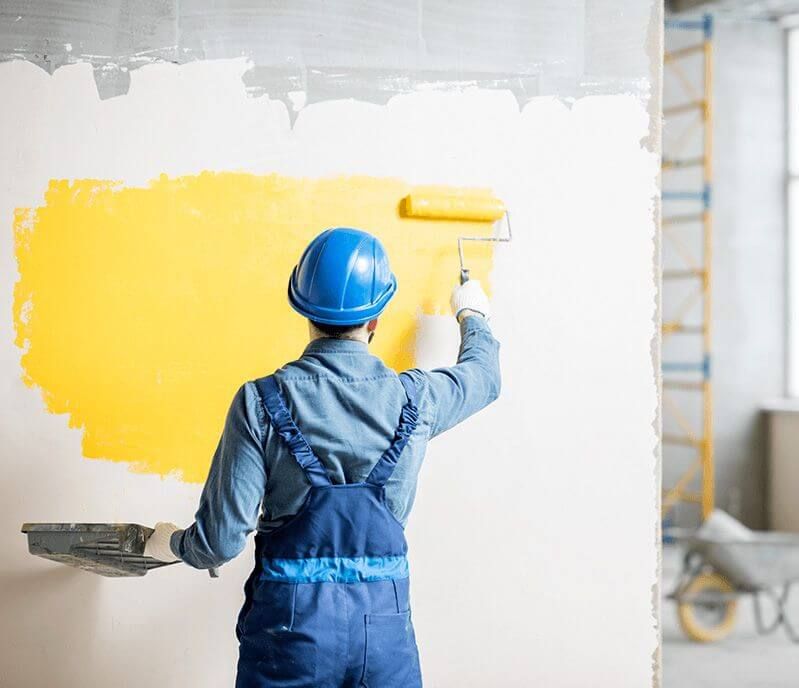
As modern-day interior decoration remains to progress, color obstructing becomes an effective method that can change spaces with bold aesthetic effect. This technique includes the calculated positioning of contrasting colors to produce specified zones within a room, boosting both the visual allure and capability of the space. paint store corpus christi tx. By utilizing big swathes of shade, designers can direct the eye and emphasize building elements, causing a dynamic ambience
Color stopping is not limited to wall surfaces; it can also be related to furniture and decor, permitting for dig this limitless modification. For example, matching a dynamic shade with a neutral tone can develop a striking centerpiece while keeping equilibrium. This method motivates creativity, allowing property owners to reveal their personalities via distinct color mixes. Eventually, shade obstructing offers as a reliable method to take a breath new life into modern interiors, making rooms feel fresh, energised, and aesthetically engaging.
Incorporating Metallics for an Extravagant End up
Exactly how can metallics elevate the class of modern-day insides? Metal coatings act as a striking focal point, including depth and aesthetic rate of interest to rooms. They can change a basic room into a classy retreat through the subtle interplay of light and representation. Developers typically suggest incorporating metallics in accent walls, go now ceilings, or furniture to create a lavish environment without overwhelming the area.
Different metallic tones-- such as silver, gold, and bronze-- use versatility, allowing house owners to customize their aesthetic. A soft gold can pass on warmth, while a sleek silver can lend a contemporary touch. When coupled with neutral tones, metallics enhance the overall design, providing a sophisticated contrast that draws the eye.
Including metal paint right into trim or moldings can also raise architectural details, producing a refined coating. Eventually, the strategic usage of metallics can infuse modern insides with beauty and refinement, making them truly enchanting.
Imaginative Use Stencils for One-of-a-kind Patterns
Transforming wall surfaces with stencils can infuse modern interiors with distinct personality and style. This creative strategy allows designers and home owners to produce customized patterns that mirror personal visual appeals. Stencils can vary from intricate geometric designs to whimsical concepts, allowing a vast selection of expressions. By selecting contrasting shades, stencils can boost an area's aesthetic appeal and act as focal points without frustrating the area.
Patterns are flexible; they can be used to numerous surface areas, including walls, furniture, and also ceilings. This versatility makes stenciling an optimal choice for DIY lovers seeking to enhance their home cost effectively. Furthermore, the convenience of application and removal allows for experimentation, making it possible for individuals to freshen their design with minimal effort. Ultimately, imaginative usage of patterns not just changes normal surface areas however additionally supplies a possibility for self-expression, making them a trending choice in modern-day interior decoration.
Blending Matte and Glossy Surfaces for Contrast
The Get More Info interplay of matte and glossy coatings can develop a striking visual dynamic in contemporary interiors. Developers typically use this comparison to improve building functions and specify areas. Matte surfaces, with their soft, non-reflective high quality, can develop a feeling of warmth and affection, making them perfect for wall surfaces and larger surfaces. On the other hand, glossy finishes reflect light, including vibrancy and deepness, making them ideal for accents such as trim, moldings, or furniture.
The combination of these textures can lead the eye and stress focal points within a room. For example, coupling a matte-painted wall surface with shiny kitchen cabinetry can produce an innovative balance. Furthermore, the careful application of both finishes can stimulate various state of minds while boosting the total aesthetic. As home owners significantly look for individualized spaces, blending matte and shiny surfaces uses a versatile technique to achieving modern elegance and aesthetic rate of interest in interior decoration.
Regularly Asked Concerns
What Tools Are Best for Mixing Paint Techniques?
A range of devices are excellent for mixing paint strategies, including foam rollers, brushes with soft bristles, sponge applicators, and airbrushes. Each tool offers unique results, improving the mixing process for various imaginative applications.
Just How Can I Deal With Mixing Mistakes?
To deal with blending mistakes, one must lightly sand the affected area, apply a primer if needed, and after that meticulously reapply paint making use of a soft brush or sponge to achieve a smooth change and bring back the preferred impact.
Exist Certain Paint Brands Recommended for Blending?
A number of paint brand names are advised for mixing, consisting of Benjamin Moore, Sherwin-Williams, and Behr. These brands offer top quality surfaces and a wide range of shades that promote smooth changes and effective blending strategies in different indoor jobs.
Can I Blend Paint Without Specialist Assistance?
Yes, mixing paint without specialist help is possible. With practice and the right devices, individuals can achieve preferable results. Numerous online tutorials and guides can assist in understanding mixing techniques for individual projects.
How Much Time Does Blended Paint Last on Wall Surfaces?
Mixed paint can last anywhere from 5 to 10 years on walls, depending on elements such as the top quality of paint made use of, surface preparation, and environmental conditions. Normal upkeep normally boosts long life and appearance.
As developers progressively look for cutting-edge means to boost areas, the increase of shade slopes in interior layout has amassed significant focus. The strategy works particularly well with soft hues, supplying a peaceful ambiance, while strong shades can stimulate a room. Techniques for producing appearance, thoughtful color mixes, and the right tools for layering are vital parts in accomplishing this result. Layering paint not just improves appearance yet likewise opens up a globe of shade mixes that can significantly influence the mood of a space. As modern-day interior layout continues to develop, color obstructing arises as an effective technique that can change rooms with bold aesthetic impact.